


928 Mwh of self-produced renewable energy (+60% vs 2023)

129,987 Mwh of renewable energy purchased and guaranteed by certificates of origin

48% of the vehicle fleet consists of hybrid and electric vehicles

10% water loss rate (versus a national average of 37%)

100% compliance of samples and parameters for treated water

25 Hours of training per capita (+51% vs 2023)

95% of Water Service calls successfully completed

2.84 Tonnes of paper saved through the digital billing service

2,936 Subscribers to the "Casa di Milano" newsletter (+67% vs 2024)

We are working to reduce our environmental footprint through infrastructure innovation and energy self-production:
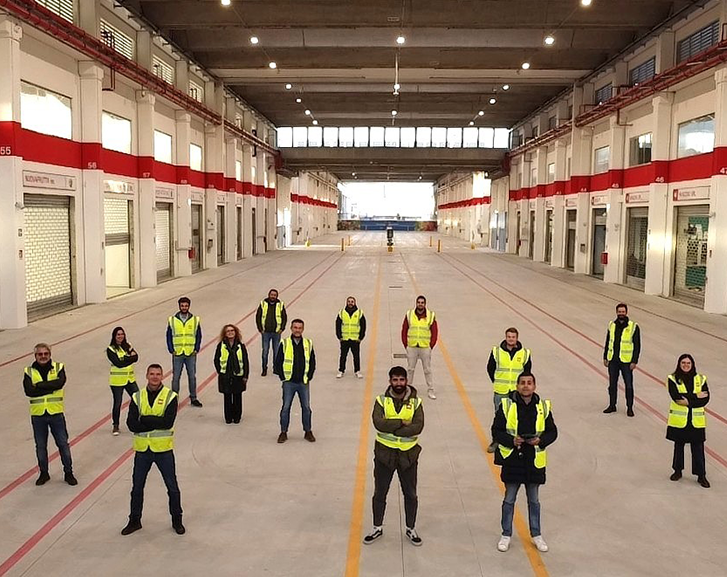
People are at the heart of our company, which is why we invest in their well-being and growth:
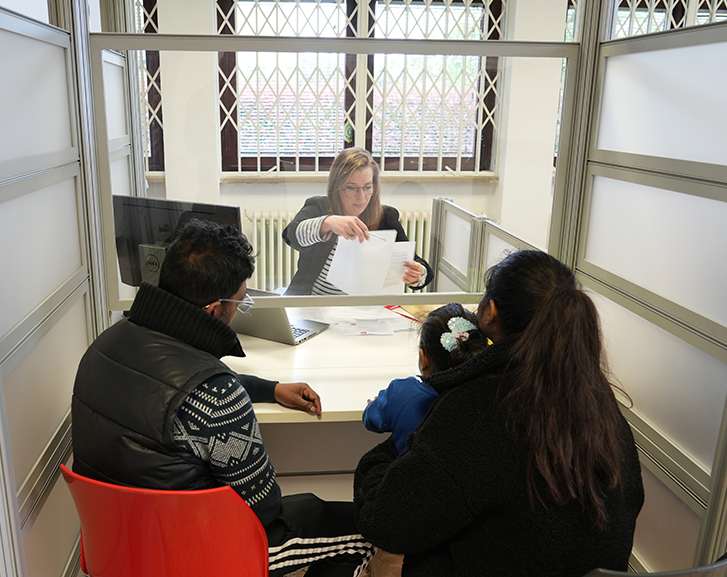
Being close to citizens means listening to their needs and innovating the services we provide:

|
ESRS E1
Cambiamenti climatici
|
ESRS E2
Inquinamento
|
ESRS E3
Acqua e risorse marine
|
ESRS E4
Biodiversità ed ecosistemi
|
ESRS E5
Economia circolare
|
|
Sottotemi ESRS:
●
Adattamento ai cambiamenti climatici
●
Mitigazione dei cambiamenti climatici
●
Energia
|
Sottotemi ESRS:
●
Inquinamento dell'aria
●
Inquinamento del suolo
●
Inquinamento dell'acqua
●
Inquinamento di organismi viventi e risorse alimentari
●
Sostanze preoccupanti
●
Microplastiche
|
Sottotemi ESRS:
●
Acqua
●
Consumo e prelievo idrico
●
Scarichi idrici
●
Risorse marine
●
Scarichi di acqua negli oceani
●
Estrazione e uso di risorse marine
|
Sottotemi ESRS:
●
Fattori di impatto diretto sulla perdita di biodiversità
●
Impatti sullo stato delle specie
●
Impatti sull'estensione e sulla condizione degli ecosistemi
●
Impatti e dipendenze in termini di servizi ecosistemici
|
Sottotemi ESRS:
●
Afflussi di risorse, compreso l'uso delle risorse
●
Rifiuti
●
Deflussi di risorse connessi a prodotti e servizi
|
|
ESRS S1
Forza lavoro propria
|
ESRS S2
Lavoratori nella catena del valore
|
ESRS S3
Comunità interessate
|
ESRS S4
Consumatori e utilizzatori finali
|
|
Sottotemi ESRS:
●
Condizioni di lavoro
●
Occupazione sicura, Orari di lavoro, Salari adeguati, Contrattazione collettiva
●
Equilibrio vita professionale-privata
●
Salute e sicurezza
●
Libertà di associazione, Dialogo sociale
●
Parità di trattamento e di opportunità per tutti
●
Formazione e sviluppo delle competenze
●
Diversità
●
Parità di genere e parità di retribuzione per un lavoro di pari valore
●
Violenza e molestie sul luogo di lavoro
●
Occupazione e inclusione di persone con disabilità
●
Altri diritti connessi al lavoro
●
Lavoro minorile e forzato
●
Alloggi adeguati
●
Riservatezza
|
Sottotemi ESRS:
●
Condizioni di lavoro
●
Occupazione sicura, Orari di lavoro, Salari adeguati, Contrattazione collettiva, Dialogo sociale, Libertà di associazione
●
Equilibrio vita professionale-privata
●
Salute e sicurezza
●
Parità di trattamento e di opportunità per tutti
●
Parità di genere e parità di retribuzione per un lavoro di pari valore
●
Formazione e sviluppo delle competenze
●
Occupazione e inclusione di persone con disabilità
●
Violenza e molestie sul luogo di lavoro
●
Diversità
●
Altri diritti connessi al lavoro
●
Lavoro minorile e forzato
●
Riservatezza
●
Alloggi adeguati, Acqua e servizi igienico-sanitari
|
Sottotemi ESRS:
●Diritti economici, sociali e culturali delle comunità
●Acqua e servizi igienico-sanitari
●Impatti legati al territorio
●Alloggi adeguati
●Impatti legati alla sicurezza
●Alimentazione adeguata
●Diritti civili e politici delle comunità
●Libertà di espressione
●Libertà di associazione
●Impatti sui difensori dei diritti umani
●Diritti dei popoli indigeni
●Consenso libero, previo e informato
●Autodeterminazione
●Diritti culturali
|
Sottotemi ESRS:
●Impatti legati alle informazioni per i consumatori e/o per gli utilizzatori finali
●Riservatezza
●Libertà di espressione
●Accesso a informazioni (di qualità)
●Sicurezza personale dei consumatori e/o degli utilizzatori finali
●Salute e sicurezza
●Sicurezza della persona
●Protezione dei bambini
●Inclusione sociale dei consumatori e/o degli utilizzatori finali
●Accesso a prodotti e servizi
●Non discriminazione
●Pratiche commerciali responsabili
|
|
ESRS G1
Condotta delle imprese
|
|
Sottotemi ESRS:
●
Gestione dei rapporti con i fornitori, comprese le prassi di pagamento
●
Corruzione attiva e passiva
●
Cultura d’impresa
●
Protezione degli informatori
●
Benessere degli animali
●
Impegno politico e attività di lobbying
|


